Working from home has become a normal part of life for many people. Creating a productive home office environment is essential for staying focused, motivated, and efficient. Your workspace impacts your ability to concentrate and complete tasks effectively. This guide offers practical tips to help you design a home office that supports your best work.
Choose the Right Location
Finding a quiet, comfortable spot in your home is the first step. Ideally, your home office should be separate from high-traffic areas like the living room or kitchen. This helps minimize distractions and signals to others that you are working.
If space is limited, consider using a corner of a room or even a converted closet. The key is to establish a consistent area where you only work, helping your brain associate this space with focus and productivity.
Invest in Ergonomic Furniture
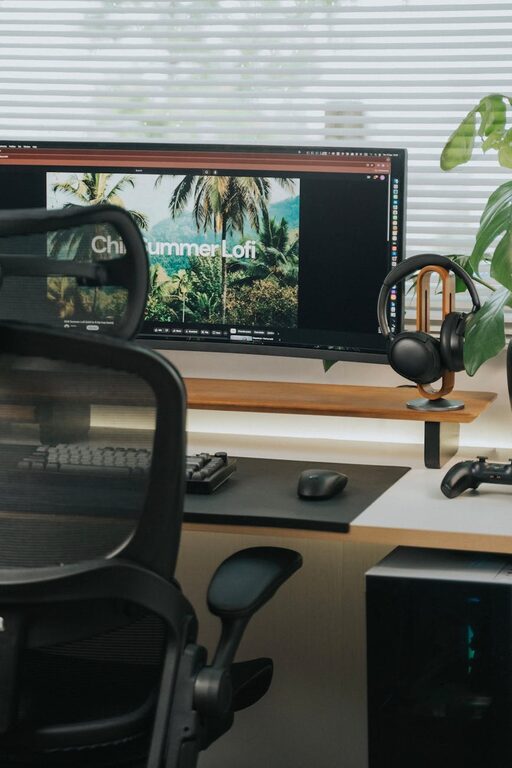
Comfort matters when you spend hours at your desk. Choose a chair that supports your lower back and promotes good posture. Adjustable chairs allow you to find the ideal height and angle for your body.
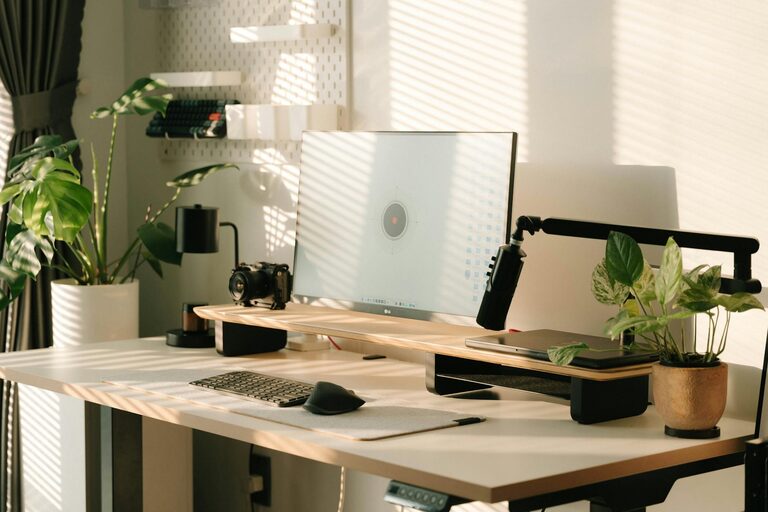
A desk should be at a height where your elbows bend at a roughly 90-degree angle when typing. Standing desks or adjustable desks are becoming popular as they let you switch between sitting and standing, reducing fatigue.
Organize Your Workspace
Clutter can reduce your ability to focus and increase stress. Keep your desk tidy by only having essential items within reach. Use organizers, trays, or drawers for papers, pens, and other supplies.
Cable management is also important. Use clips or sleeves to keep cords neat and prevent tangles. A clean, organized space helps you find what you need quickly and keeps your mind clear.
Optimize Lighting
Good lighting reduces eye strain and improves mood. Whenever possible, position your desk near a window for natural light. Natural light has been shown to boost productivity and helps regulate your sleep cycle.
Supplement with adjustable desk lamps or overhead lighting to ensure you have enough brightness during darker hours. Avoid harsh fluorescent lights if possible, and position screens to minimize glare.
Minimize Distractions
Turn off notifications on your phone or computer that are unrelated to work. Consider using noise-cancelling headphones if you live in a noisy environment.
Setting clear boundaries with family or roommates about your working hours can also help reduce interruptions. Using a “do not disturb” sign or designated office door can reinforce these limits.
Personalize Your Space
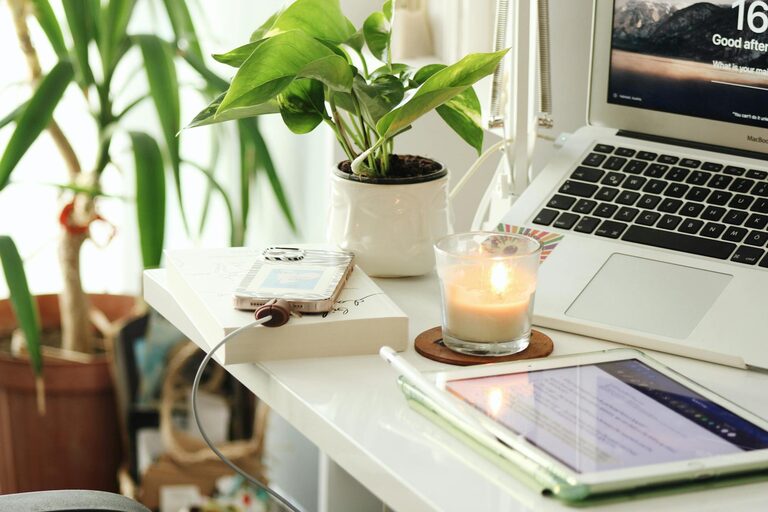
Adding a few personal touches to your home office can make it a more inviting place to be. Plants, artwork, or photos can brighten the space and make it feel more comfortable.
However, avoid overcrowding your desk with items that distract you. A balance of personalization and functionality is best.
Use Technology Wisely
Reliable technology is crucial for working effectively at home. Ensure your internet connection is fast and stable. Invest in quality peripherals such as a good keyboard, mouse, and monitor if you use a laptop.
Backing up your work regularly and using productivity tools or apps can streamline your workflow. But be careful not to overload yourself with too many apps — simplicity is often better.
Take Regular Breaks
Even with an ideal workspace, sitting for long periods can reduce productivity and harm your health. Follow the 20-20-20 rule: every 20 minutes, look at something 20 feet away for at least 20 seconds to reduce eye strain.
Set reminders to stand, stretch, or take a short walk every hour. These breaks help refresh your mind and body, improving focus when you return to work.
Establish a Routine
Creating a daily routine helps train your mind to focus during work hours. Start your day as if you were going to an office — get dressed, have a morning routine, and stick to scheduled breaks.
Having clear start and end times for your workday helps separate professional time from personal life, reducing burnout and stress.
Keep It Clean and Fresh
Regularly dust and clean your workspace to keep the environment healthy and inviting. Air quality impacts focus, so if possible, open windows or use a small air purifier.
A pleasant-smelling room, from a diffuser or fresh flowers, can also improve your mood and concentration.
—
Creating a home office environment that supports productivity doesn’t have to be complicated or expensive. Focus on comfort, organization, and minimizing distractions to build a space where you can do your best work. With the right setup, you can enjoy the many benefits of working from home while staying efficient and motivated.