
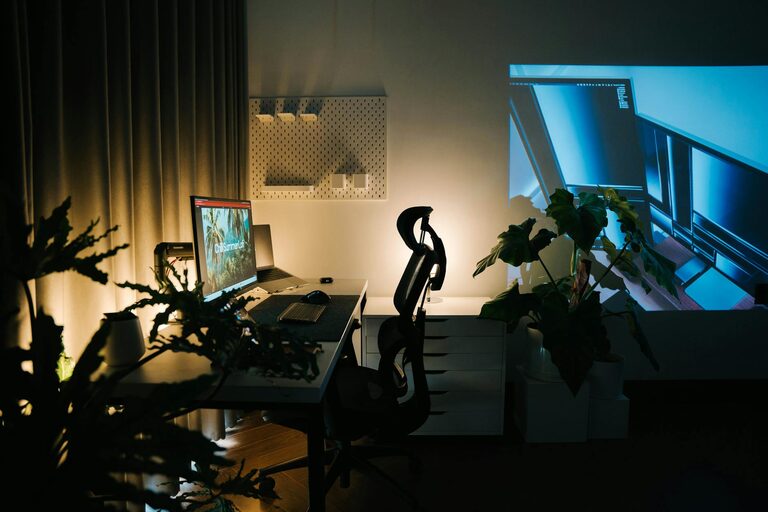
Creating a home workspace that is both cozy and functional can transform your daily routine. Whether you work remotely full-time or need a spot to handle occasional tasks, a well-designed workspace can enhance your focus, comfort, and overall productivity. In this post, we’ll guide you through practical tips to set up a workspace that feels inviting and supports your work needs.
Why Your Home Workspace Matters
Your workspace impacts not only how much you get done but also how you feel while working. A space that’s uncomfortable or cluttered can drain your energy and make it harder to concentrate. On the other hand, a cozy space tailored to your needs can motivate you and make working from home more enjoyable.
Choosing the Right Location
Find a Quiet Spot
Start by selecting a place with minimal distractions. A quiet corner in your living room, a spare bedroom, or even a nook by a window can work well. The key is privacy and calm to help you focus.
Consider Natural Light
Natural light improves mood and reduces eye strain. Position your desk near a window if possible, but avoid glare on your screen. If natural light is limited, use soft, adjustable lighting that mimics daylight.
Prioritize Ergonomics
Invest in a Good Chair
A comfortable chair with good back support is essential. Sitting for long periods requires furniture that supports good posture to avoid discomfort.
Set Your Desk Height Correctly
Your desk should allow you to keep your arms at a 90-degree angle while typing and your feet flat on the floor. Adjustable desks or keyboard trays can help customize your setup.
Organize for Efficiency
Declutter Regularly
Keep only what you need on your desk. Clutter can be distracting and reduce your efficiency.
Use Storage Solutions
Shelves, drawers, and organizers keep your supplies within reach but out of sight. Label containers for easy access to everything from pens to files.
Digital Organization
Create folders on your computer and use cloud storage to keep your digital files tidy. This reduces stress when searching for documents.
Add Personal Touches
Use Colors That Inspire
Choose wall colors or accessories in shades that boost creativity or calm your mind. Soft blues and greens tend to promote relaxation, while brighter colors like yellow can energize you.
Incorporate Plants
Living plants improve air quality and add a refreshing touch to any space. Low-maintenance plants like pothos or succulents are great choices for busy individuals.
Display Meaningful Items
Add photos, artwork, or mementos that make you happy but don’t distract you. A well-chosen piece can boost your mood.
Manage Technology Thoughtfully
Organize Cords
Use clips or cable boxes to keep wires tidy. This prevents tangles and creates a cleaner look.
Invest in Quality Equipment
A good monitor, keyboard, and mouse can reduce strain and improve your workflow. Consider noise-cancelling headphones if background noise is an issue.
Maintain Work-Life Balance
Define Your Work Hours
Set clear start and end times for your workday. This helps separate work from relaxation and prevents burnout.
Create a Shutdown Routine
At the end of your day, tidy your workspace and turn off devices. This signals to your brain that work is done.
Take Breaks
Incorporate short breaks and stretch regularly. A comfortable workspace should encourage movement, not long hours of sitting still.
Final Thoughts
Designing a cozy and functional home workspace takes some planning but pays off in increased comfort and productivity. Focus on creating a spot that meets your ergonomic needs, encourages organization, and reflects your personality. With the right atmosphere, you’ll look forward to your workdays and enjoy a better balance between professional and personal time.
By taking these steps, your home workspace can become more than just a place to work—it can be a welcoming retreat that supports your success.